
























Composite shower tray or conglomerate — this is a dilemma faced by almost everyone who is currently designing a bathroom. Consider your needs and you will choose a model that ensures optimal use in the bathroom. The decision should not be dictated solely by appearance, but above all by the shower tray's surface, durability and ease of installation. The shower tray is meant to serve for years and fit modern arrangements.
What will you learn from this article?
The material from which shower trays are made determines their durability, weight and scratch resistance. Since their surface comes into contact with water, the material is extremely important. From this article, you will learn:
- Which shower tray is best suited to intensively used bathrooms?
- What should you consider when choosing a shower tray?
- Which is easier to use every day: a composite or conglomerate shower tray?
Conglomerate shower trays with durability provided by natural stone
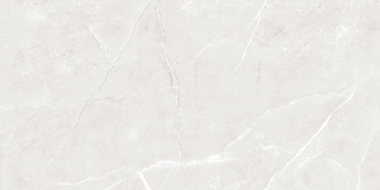
Conglomerate, or cast marble, is a material that combines natural mineral aggregates with polyester resin. It stands out with excellent acoustic properties and an attractive design. The surface structure resembles stone, bringing a luxurious effect to the bathroom that attracts attention.
Conglomerate is warm to the touch and available in various colors and shades. It has a timeless design, but is somewhat problematic in everyday use. Keeping it clean can be a challenge due to frequent surface discoloration. Conglomerate is also susceptible to mechanical damage if a heavy object falls on it. Depending on its size, a conglomerate shower tray weighs from 30 to 90 kg.
Check what conglomerate is and whether it is worth choosing.
Composite shower trays with durability suited to modern users' needs
Composite is a material reinforced with glass fibers and thermosetting resins. Composite shower trays are resistant to mechanical damage and deformation. They are easier to install than conglomerate shower trays due to their lower weight.
The smooth surface of composite is non-slip, which improves everyday safety. Shower enclosures equipped with this shower tray are extremely durable while creating a lightweight visual effect.
Composite material is available in many attractive colors that perfectly match modern bathroom design. It is used to make low shower trays up to 3 cm high, which are also resistant to discoloration.
Composite or conglomerate shower tray? Key differences
The material you choose for your shower tray affects the product's durability, weight and resistance to damage. Importantly, the shower tray is in constant contact with water and operates in a humid environment. The material you choose should be easy to clean and resistant to dirt.
Composite and conglomerate shower trays differ not only in appearance, but above all in their technical parameters.
Conglomerate and composite shower trays are often confused
Conglomerate and composite are two different materials that are very often confused with each other. However, they differ in their properties and applications. Conglomerate is made by combining mineral aggregate, resin and pigment, giving the shower tray a unique structure and appearance. Composite, on the other hand, is made from various materials, such as acrylic and minerals, which helps create diverse visual effects.
Which shower tray should you choose if durability and resistance to damage matter to you?
Quartz conglomerate is particularly an excellent choice for the bathroom due to its high resistance and durability. Natural stone is scratch-resistant. Although the material is hard and resistant to damage, it may chip. Acrylic composite has equally good properties, but conglomerate keeps the shower tray looking attractive for longer.
Non-slip surface
Safety in the bathroom is very important, so pay attention to the shower tray's non-slip properties. Both composite and conglomerate materials can guarantee a non-slip surface. The surface finish is important.
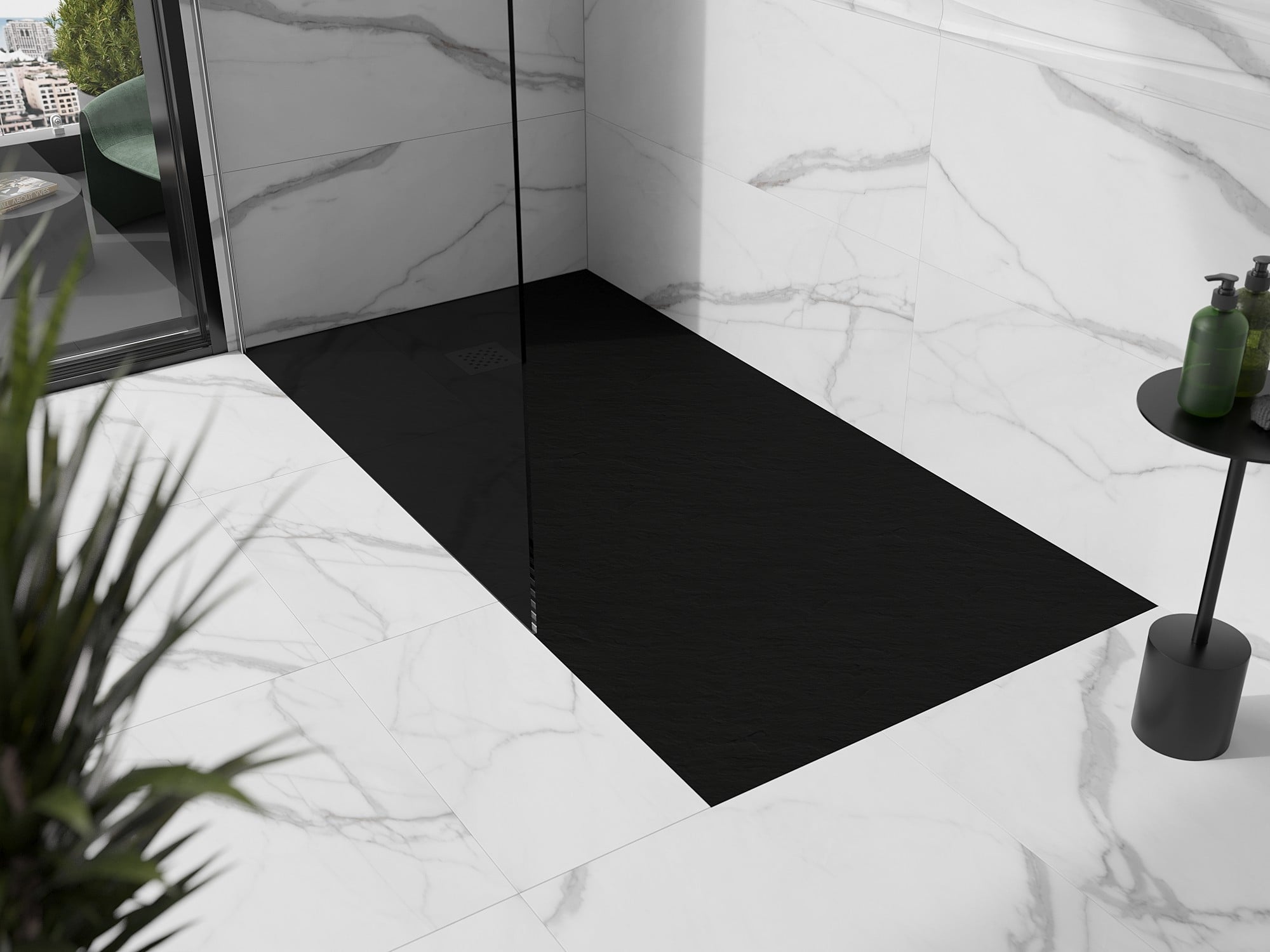
Shower trays made of textured composite provide very good wet grip. However, their smooth surface can be slippery. For conglomerate shower trays, it is worth choosing matte and textured models. Polished versions can be slippery.
Modern design
High aesthetic appeal is crucial when completing bathroom furnishings. If you are creating a modern and minimalist interior, choose a composite shower tray. A smooth, matte or textured surface available in white and black ensures a perfect fit for the available space.
With conglomerate, you gain an elegant and more luxurious look. The matte, smooth, natural-stone-effect surface is particularly attractive in bathing salons and impressive shower areas.
Everyday maintenance
If ease of cleaning is a priority for you, choose a shower tray with a non-porous surface that resists limescale buildup. A smooth, uniform surface is much easier to clean than a textured material.
For everyday cleaning, neither conglomerate nor composite will cause major difficulties when you use good-quality cleaning products. However, it is very important whether you choose a model with a smooth surface. In addition, limescale deposits are more visible on dark colors.
Composite and conglomerate shower trays — differences between the materials
At Mexen, composite and conglomerate shower trays are available in a wide range of models. We make it easy to match the furnishings to the bathroom style and installation conditions. We have prepared a comparison of the most important features of both materials:
- Scratch resistance — with intensive use, composite has high scratch resistance, while conglomerate has very high resistance. Conglomerate shower trays win.
- Rigidity and stability — their durability is impressive, while conglomerate offers exceptional stability and rigidity. It is an excellent choice for people looking for durable solutions for any bathroom. Conglomerate wins.
- Water noise reduction — water runs continuously during every shower, which is why the acoustics of the shower tray are so important. A composite shower tray provides medium or high sound insulation, while conglomerate offers high insulation.
Tips on which shower tray to choose for your bathroom
A shower tray very often complements a shower enclosure, so it affects the comfort experienced during every shower. When deciding what to buy, pay attention to the following aspects:
- Material — it affects durability, weight and resistance to damage. Consider how easy it is to keep clean, as well as how cleaning products work on it.
- Shape and height — rectangular and square shower trays can be adapted to different bathroom layouts. Low shower trays make it easier for older people, children and people with disabilities to enter the shower. Check which shower tray shape to choose.
- Shower tray surface — dirt and limescale are less likely to settle on a smooth surface, so cleaning takes less time, improving user comfort.
Related products


Mexen Stone+ composite rectangular shower tray 200 x 100 cm, black, black cover - 44701020-B
€1,007.70 -20%
€806.19List price: €1,007.70
Lowest price: €806.19
Availability: In stock


Mexen Stone+ rectangular composite shower tray 100 x 80 cm, white - 44108010
€380.60 -20%
€304.49List price: €380.60
Lowest price: €304.49
Availability: In stock