









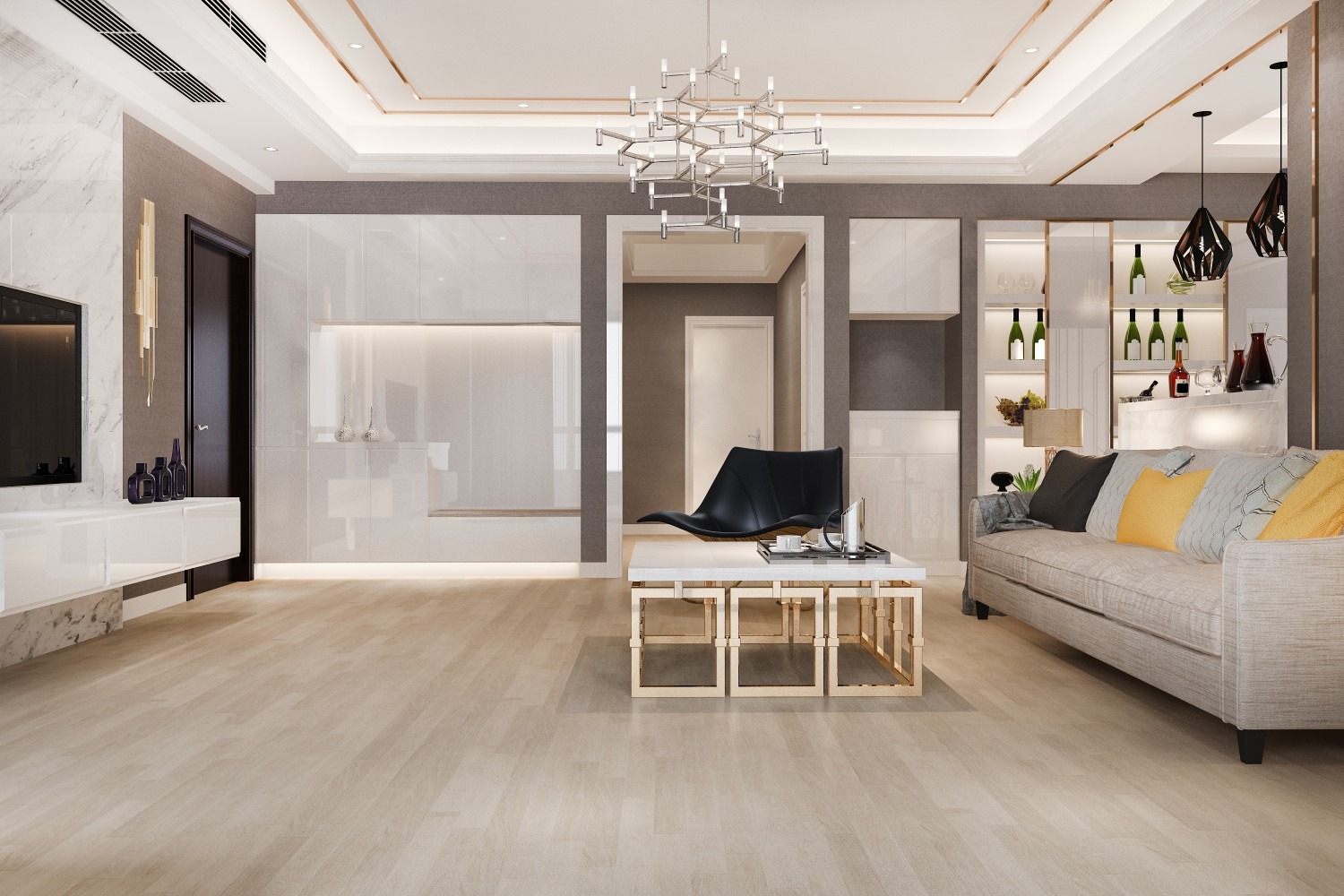
Vinyl flooring is a popular choice for homes. SPC or LVT is a dilemma faced by every investor choosing this material for their floor. Both solutions have their advantages. However, you need to consider which parameters are most important to you. These include durability, water resistance, comfort, and functionality.
What will you learn from this article?
Vinyl flooring has enjoyed unflagging popularity in recent years. It is an alternative to laminate flooring and wooden planks. From this article, you will learn:
- Will SPC or LVT flooring work better in your home?
- Which vinyl flooring works best with underfloor heating?
- How do SPC and LVT flooring perform in everyday use?
.jpg)
Vinyl flooring — SPC or LVT — how do they differ?
SPC and LVT vinyl flooring look very similar at first glance. However, they differ in terms of construction, thickness, performance properties, and applications.
LVT (Luxury Vinyl Tiles) flooring is made of multiple layers. It is made of plastic and additives that affect the flexibility of the floor. It is available in two variants:
- Glue-down LVT — the flooring is glued to the subfloor using adhesive. This installation method is characterized by stability and good acoustic properties.
- Click LVT — the floor is installed using special locking systems. This solution is convenient to install.
LVT flooring looks attractive and is practical. It requires a properly prepared subfloor so that imperfections do not show through.
SPC (Stone Polymer Composite) vinyl flooring combines the properties of vinyl with a composite core made from a mixture of stone and plastic. This affects the rigidity of the floor. SPC flooring consists of several layers:
- Protective — a transparent coating protects against scratches and damage.
- Decorative — imitates a natural material, such as wood or stone.
- Load-bearing — ensures the stability and durability of the vinyl flooring.
- SPC core — affects the rigidity and moisture resistance of the material.
- Underlay — improves comfort and reduces noise.
Check out the types, advantages, and possible applications of vinyl flooring in your home.
LVT and SPC vinyl flooring in everyday use
SPC and LVT vinyl flooring differ in durability, moisture resistance, and dimensional stability. It is worth choosing a floor that provides the highest level of comfort and lasts for years.
What dimensional stability and water resistance do LVT and SPC flooring have?
Although LVT flooring is moisture-resistant, its glued construction means that it is not particularly suited to large temperature changes and high humidity. The joints between LVT planks may allow water to pass through, shortening the lifespan of the subfloor.
SPC vinyl flooring, on the other hand, has a rigid core that is 100% resistant to water and temperature changes. The lack of additional adhesives and joints means that SPC flooring does not develop leaks or deform. It can withstand the difficult conditions found in rooms such as the bathroom or kitchen.
Make sure you know whether vinyl flooring is suitable for the bathroom. Read about the requirements a floor must meet in a humid environment.
SPC and LVT flooring and their resistance to damage
The flexible core of LVT flooring makes it less resistant to deformation and mechanical damage. It may bend under the weight of heavy furniture. In addition, chips may appear on the surface if sharp objects are dropped.
SPC vinyl flooring performs better in terms of resistance to scratches and mechanical damage. It is worth installing it in areas with heavy traffic, such as the living room, hallway, and commercial buildings. It is the right solution if you want a floor that will remain resistant to damage for years.
Preparing the subfloor for vinyl flooring
Due to their flexibility, LVT vinyl flooring requires a perfectly prepared subfloor. All unevenness must be removed because it will be visible on the floor surface.
Although the rigid mineral SPC core is more stable than flexible LVT, this does not mean that it can be installed on a neglected, uneven subfloor. Installing click flooring directly on old tiles with deep grout joints without prior leveling, for example with filler, risks breaking the delicate locking systems under the weight of furniture.
.jpg)
Which vinyl flooring should you choose when planning a home with underfloor heating?
LVT vinyl flooring is an excellent solution for a home with underfloor heating. It is thin and has low thermal resistance, so it does not block heat from reaching the room. It does not react to temperature changes to the same extent as wood. However, in this case, the floor temperature should not exceed 27–28°C.
SPC flooring is an equally safe choice for underfloor heating. Thanks to its rigidity, it is dimensionally stable even when exposed to temperature changes. Its complete water resistance makes it suitable for both water-based and electric heating.
Check whether vinyl flooring is a good solution for underfloor heating.
SPC or LVT — which offers the highest level of comfort in a single-family home?
A traditional solution you can introduce into your home is LVT vinyl flooring. If you are looking for a technologically advanced type of flooring, choose SPC flooring. It is:
- resistant to temperature fluctuations and moisture,
- resistant to intensive use, even in public buildings,
- resistant to deformation and scratches,
- able to tolerate minor subfloor unevenness during installation.
Related products
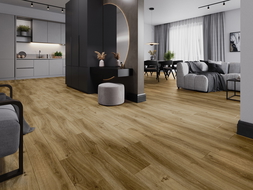
Mexen Amsterdam vinyl panels 1240 x 182 mm SPC 6.5 mm, IXPE underlay 1.5 mm, 4 V-Groove, Oak - F1042-1240-182-505-4V1-01
€41.39/m2 -19.83%
€33.19/m2List price: €41.39/m2
Lowest price: €33.19
Availability: In stock
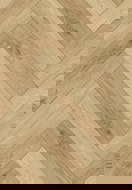
Mexen Anniston vinyl panels herringbone 570 x 95 mm LVT Dryback 2.5 mm, PVC underlayment, 4 V-Groove, Oak
€32.60/m2 -19.97%
€26.09/m2List price: €32.60/m2
Lowest price: €26.09
Availability: In stock
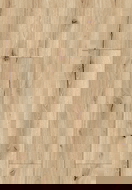
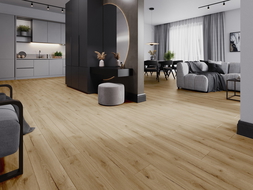
Mexen Buffalo vinyl panels 1240 x 182 mm SPC 6.5 mm, IXPE underlay 1.5 mm, 4 V-Groove, Oak - F1007-1240-182-505-4V1-01
€41.39/m2 -19.83%
€33.19/m2List price: €41.39/m2
Lowest price: €33.19
Availability: In stock
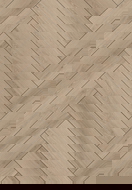
Mexen Palmdale vinyl panels herringbone 570 x 95 mm LVT Dryback 2.5 mm, PVC underlay, 4 V-groove, Oak
€32.60/m2 -19.97%
€26.09/m2List price: €32.60/m2
Lowest price: €26.09
Availability: In stock

Mexen Silver Shadow vinyl panels 610 x 305 mm SPC 6.5 mm, IXPE underlay 1.5 mm, 4 V-Groove, Stone - F1153-0610-305-505-4V1-90
€41.39/m2 -19.83%
€33.19/m2List price: €41.39/m2
Lowest price: €33.19
Availability: In stock