



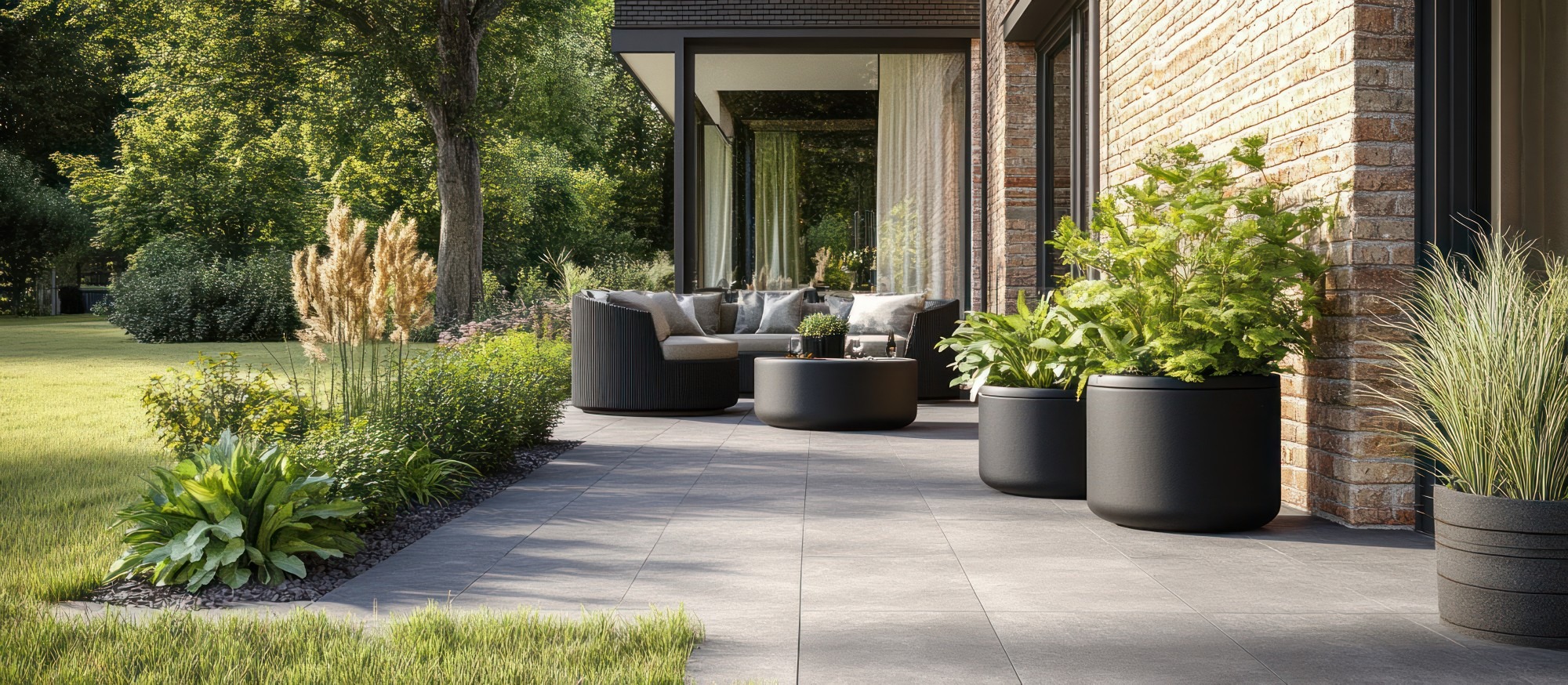
What works best for an uncovered terrace depends primarily on how you want to use this space. It is worth choosing a material resistant to various weather conditions, such as sun, rain, snow, and frost. You can make the floor from terrace slabs, wooden and composite boards, as well as many other materials. An uncovered terrace is a challenge, but if you choose flooring resistant to weather conditions, it will serve you for years.
What will you learn from this article?
If you do not want to install a terrace roof, you must remember to create the floor from materials resistant to changing weather conditions. The terrace material should have anti-slip properties and be resistant to changing temperatures. In this article, you will learn:
- How can you build a terrace that will last for years?
- Which material is the best choice for an uncovered terrace?
- Is glazed porcelain stoneware resistant to weather conditions?
.jpg)
What should you use for an uncovered terrace to make it safe?
An uncovered terrace presents investors with many challenges. One of the biggest is the surface. It is worth considering the choice of material in terms of:
- Resistance to weather conditions — the surface of an uncovered terrace is exposed to UV rays, rain, snow, and frost. The floor must cope with changing temperatures. Materials with high resistance to weather conditions work best.
- Resistance to mechanical damage — choose a material that is durable and resistant to mechanical damage. You will spend time on the terrace with your family and friends, so its durability must be suited to the intensity of use.
- Ease of cleaning and maintenance — natural factors such as dust, leaves, rain, and dirt affect the attractive appearance of an uncovered terrace. To keep the floor looking good for many years, choose a material that does not require time-consuming maintenance. Make things easier for yourself by choosing a material that is also easy to clean.
- Timeless appearance — an outdoor terrace is a very important part of the home. It should match the building. It is often also an extension of the living room. Its design should harmonize with the style of the rooms and the surroundings of the house.
What is best for an uncovered terrace? The ideal material is...?
You usually need to decide on the surface for an uncovered terrace already during the construction of the property or the garden design stage. You have several solutions to choose from, which differ in durability, cleaning method, and appearance.
Glazed porcelain stoneware terrace slabs
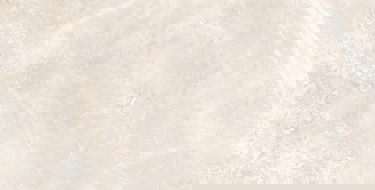
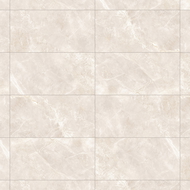
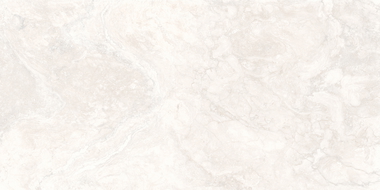
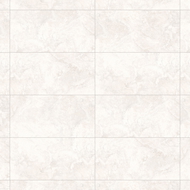
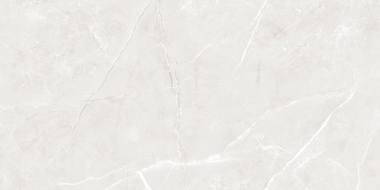
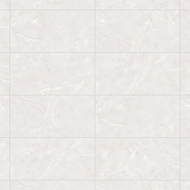
Terrace slabs made of glazed porcelain stoneware stand out for their durability and elegant appearance. They are available in many options to choose from. You can choose a surface that imitates natural stone or concrete in various colors. This allows you to match the ceramic tiles to the style of the space and its surroundings.
Precise rectification of 20 mm porcelain stoneware slabs guarantees perfect dimensional accuracy. However, remember that an uncovered terrace requires the use of a flexible joint at least 3–5 mm wide, which protects the substrate from thermal stresses caused by frost and sunlight.
The terrace slab is frost-resistant and has anti-slip properties (R11). It is also stain-resistant (Class 5). It has a high abrasion resistance rating (PEI 4). The material is resistant to mechanical damage and easy to clean.
Check how to lay terrace tiles step by step to avoid the most common mistakes.
Paving blocks
One of the most popular materials for outdoor use is paving blocks. Neither heat, frost, nor other weather conditions affect them. They do not deform or crumble.
Gray or red paving blocks work well for an outdoor terrace. Mosaics combining two shades are also popular. An uncovered terrace made of paving blocks is inexpensive and easy to maintain. You can create a cohesive outdoor area by using this material for driveways and paths as well.
.jpg)
Wooden boards
A wooden terrace is a classic that never goes out of style. It looks attractive and elegant. It creates a cozy outdoor space where you can spend time with great pleasure. Wooden terrace boards do, however, require regular care and maintenance. In return, you get a warm and pleasant-to-touch material that does not heat up in the sun and provides a high level of comfort.
When considering a wooden terrace, choosing the right type of wood is essential. It should be durable and resistant to moisture. A concrete slab, waterproofing, and expansion joint must be installed beneath the terrace boards. You must provide an outlet for heavy rainfall. Water should not collect between the gaps, as this could lead to excessive moisture and, consequently, rotting and cracking of the terrace boards.
Domestic wood
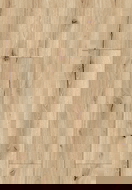
Native and coniferous species: Among Polish raw materials, Siberian larch and oak work best. Be sure to avoid untreated beech or pine, as they quickly biodegrade under the influence of moisture. Domestic wood requires systematic oiling 1–2 times per season.
Exotic wood
In addition to domestic wood, exotic wood is an excellent choice for a terrace. It is durable and looks impressive for years with proper care. You get a natural and beautiful-looking surface.
.jpg)
Composite boards
Modern WPC composite profiles are highly resistant to temperature changes. Unlike natural wood, they do not require impregnation or oiling, and their maintenance is limited to periodically washing the surface with pressurized water.
Composite boards are artificially manufactured products made from a mixture of wood flour and polyvinyl chloride. The surface is abrasion-resistant and durable, but only when properly maintained.
By choosing a composite board for an uncovered terrace, you get a material with a natural appearance that closely resembles the structure of wood.
Natural stone
Natural stone is a durable solution for an uncovered terrace. It is highly resistant to weather conditions and mechanical damage. It stands out with its attractive and timeless appearance. It is an excellent way to create a terrace that will last for many years.
Remember this when creating a terrace surface
If you are still wondering what is the best material for a terrace, remember a few basic tips that will help you make the right decision.
- Non-combustible material — glazed porcelain stoneware, which is non-combustible, is worth using for both large and small terraces. You can barbecue without worry, which always involves a greater or lesser risk on a wooden terrace.
- Possibility of repair — terrace tiles are among the hardest materials you can choose for an uncovered terrace. However, if they are damaged, they must be replaced. Wooden terrace boards, on the other hand, can be refurbished.
- Enjoyment of use — ceramic tiles with minimal grout are easy to clean and do not require maintenance. Wooden terrace boards, although troublesome to maintain, are very pleasant to the touch. They do not heat up in the sun.
Make sure that the surface of an uncovered terrace is resistant to weather conditions, including moisture and UV radiation. Pay attention to the quality of the terrace material, and you will spend summer evenings in beautiful surroundings.
Related products
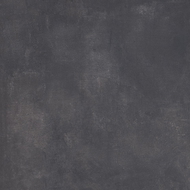
Mexen Kamen 2.0 Anthracite Terrace Tile 60 x 60 x 2 cm, Glazed Porcelain Rect. G1, Matte - TL901-060-060-04
€46.60/m2 -19.98%
€37.29/m2List price: €46.60/m2
Lowest price: €37.29
Availability: In stock
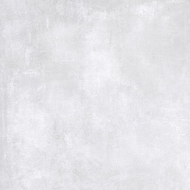
Mexen Kamen 2.0 Bianco terrace tile 60 x 60 x 2 cm, glazed porcelain rectified G1, matte - TL901-060-060-00
€46.60/m2 -19.98%
€37.29/m2List price: €46.60/m2
Lowest price: €37.29
Availability: In stock
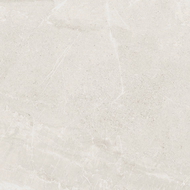
Mexen Minot 2.0 White terrace slab 60 x 60 x 2 cm, glazed rectified porcelain stoneware, matte - TL909-060-060-01
€46.60/m2 -19.98%
€37.29/m2List price: €46.60/m2
Lowest price: €37.29
Availability: In stock
Mexen Prestone 2.0 Crema terrace tile 60 x 60 x 2 cm, glazed rectified porcelain stoneware. G1, matte - TL911-060-060-03
€46.60/m2 -19.98%
€37.29/m2List price: €46.60/m2
Lowest price: €37.29
Availability: In stock
Mexen Rioja Stone 2.0 Anthracite Terrace Slab 60 x 60 x 2 cm, Glazed Rectified Porcelain G1, Matte - TL904-060-060-04
€46.60/m2 -19.98%
€37.29/m2List price: €46.60/m2
Lowest price: €37.29
Availability: In stock